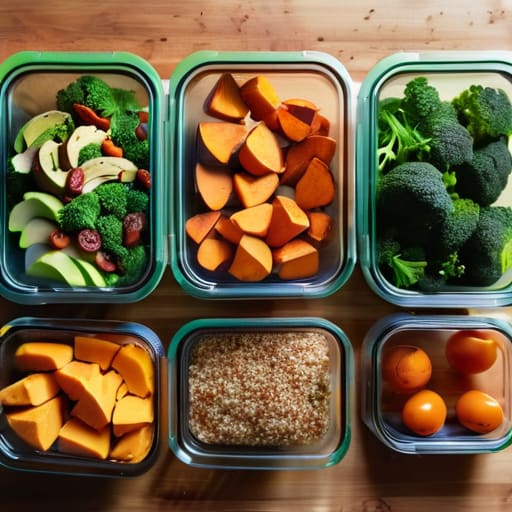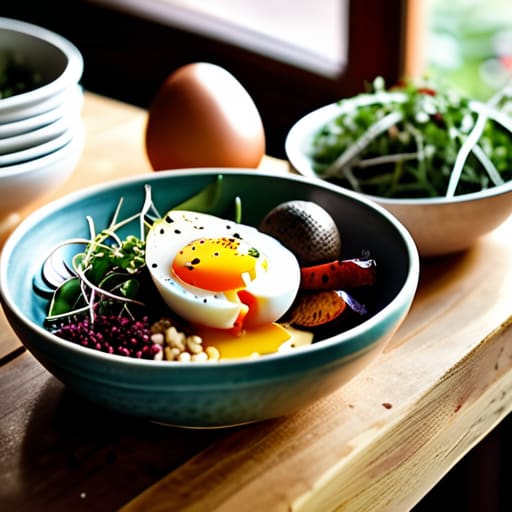
I’m so tired of seeing those “aesthetic” meal prep videos where people spend four hours vacuum-sealing tiny portions of kale and quinoa into matching glass containers just to look organized on camera. Honestly, that’s not a system; it’s a full-time job you didn’t sign up for. If you’re actually trying to figure out how to use leftovers without turning your kitchen into a high-maintenance laboratory, you don’t need more Tupperware—you need a functional workflow. Most of the advice out there makes it sound like you need a culinary degree just to reheat last night’s pasta without it turning into a sad, gummy brick.
I’m not here to sell you on a lifestyle overhaul or a pantry reorganization kit. Instead, I’m going to give you the low-down on how I manage my own food cycles so they actually fit into a busy freelance schedule. We’re going to talk about modular cooking and simple, high-impact hacks that turn random scraps into real meals. No fluff, no gatekeeping, and definitely no wasted money. Let’s just build a system that actually works for your life.
Smart Food Waste Reduction Tips for Busy People
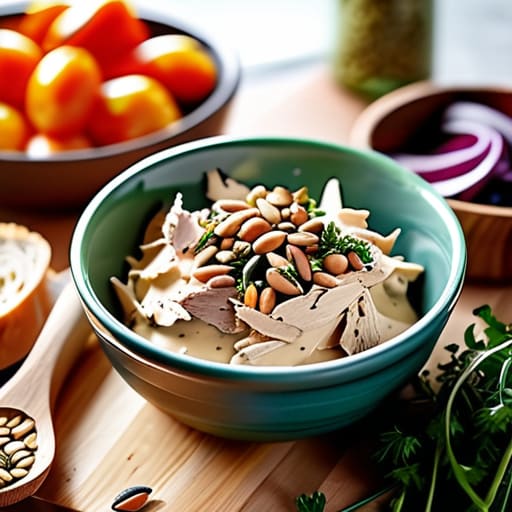
Look, I get it. You finish a big Sunday cook, you feel productive, and then by Wednesday, that container of roasted chicken is just staring at you from the back of the fridge like a guilt trip. Most people think they need a massive overhaul to fix this, but you actually just need a better system. One of my favorite creative kitchen hacks is to stop viewing “leftovers” as a single, boring meal and start seeing them as raw components. Instead of reheating the same sad plate of pasta, treat your extra ingredients like building blocks for something new.
If you’re short on time, focus on repurposing cooked proteins to save your sanity during the week. That leftover steak? Don’t just microwave it; slice it thin for a quick steak salad or toss it into a wrap. If you have extra grains or roasted veggies, throw them into a quick grain bowl with a heavy drizzle of tahini. The goal isn’t to make a five-star gourmet dish every night; it’s about minimizing decision fatigue while ensuring nothing ends up in the trash. If you build your pantry around these modular components, you’re essentially automating your dinner routine.
The No Nonsense Guide to Storing Food Safely
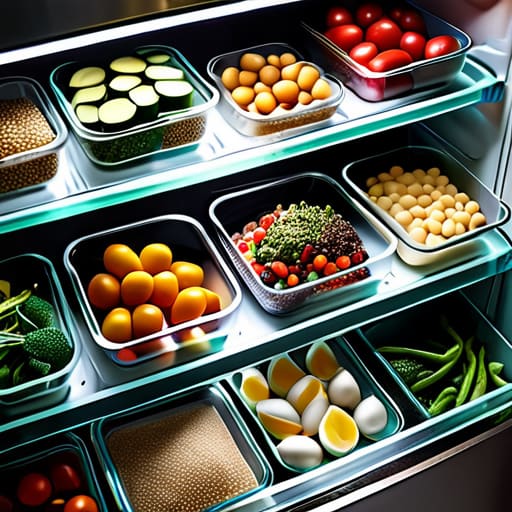
Look, I get it. You’ve got a stack of Tupperware in the fridge that’s basically a science experiment waiting to happen. But if you want to actually succeed at meal prep with leftovers, you have to treat your fridge like a system, not a junk drawer. The biggest mistake I see is people shoving everything into the same mismatched plastic containers and hoping for the best. If you aren’t storing food safely, you’re just setting yourself up for a wasted meal (or worse, food poisoning).
First rule of thumb: get some decent, airtight glass containers. They don’t hold onto smells like plastic does, and they actually keep things fresh. When you’re putting things away, let them cool down slightly before sealing the lid—trapping all that steam inside is a fast track to soggy, unappealing textures.
Also, stop treating the “back of the fridge” like a black hole. I use a simple FIFO (First In, First Out) method, just like I do with server logs. The oldest stuff stays right at eye level so you actually see it before it turns into a liquid. If you know you won’t touch that extra portion of chicken within two days, just freeze it immediately. It’s much easier to thaw a frozen protein later than it is to scrape something moldy off a plate.
My Low-Effort Framework for Turning Scraps into Real Food
- Build a “Base Component” system. Instead of viewing leftovers as finished meals, think of them as building blocks. That half-container of roasted chicken isn’t just “old chicken”—it’s your protein for tomorrow’s tacos, or the base for a quick pesto pasta.
- Master the “Bowl Method” to avoid decision fatigue. If you’re staring at three different random containers, just throw a grain base (rice, quinoa, or even just some greens) into a bowl, top it with your leftover protein and veggies, add a sauce, and call it a day. It’s functional, not fancy.
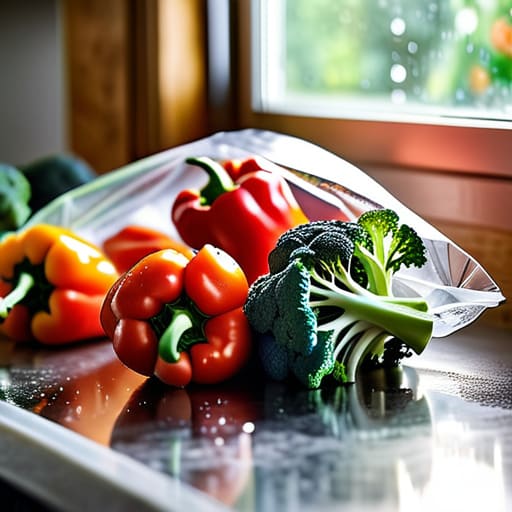
- Freeze your “almost-dead” ingredients. If you have a handful of spinach wilting or half an onion left, don’t let them turn into a science project in the crisper drawer. Chop them up, toss them in a freezer bag, and use them later for smoothies or sautéing.
- Invest in a decent set of uniform glass containers. I know, it sounds like “aesthetic” influencer nonsense, but hear me out: if everything fits perfectly and stacks without a chaotic mess, you’re actually going to use what’s in there instead of letting it get lost in the back of the fridge.
- Use the “One-Pan Rescue” technique. If leftovers are looking a little sad and dry, throw them into a skillet with a splash of broth, a bit of soy sauce, or even just some butter and an egg. Heat and moisture are the two things that bring “old” food back to life.
Stop Overthinking and Start Eating
At the end of the day, using leftovers isn’t about following some complex culinary roadmap; it’s just about building a better system for your kitchen. We’ve covered how to shop smarter to prevent waste, how to store things so they don’t turn into science experiments in the back of your fridge, and how to repurpose those random ingredients into something actually edible. If you can master the basics of smart storage and quick repurposing, you’ve already won half the battle. You don’t need a gourmet kitchen or a massive amount of free time to make this work—you just need to stop treating leftovers like an afterthought and start treating them like the valuable resources they actually are.
I know it can feel overwhelming when you’re staring at a container of cold rice or some wilted greens, but remember that perfection is the enemy of a functional life. My goal isn’t to turn you into a professional chef; it’s to help you reclaim your time and your budget. Once you get into the rhythm of these small, low-effort systems, you’ll realize how much mental space you’ve freed up. Stop stressing about the “perfect” meal and just make something that works for you. You’ve got this.
Frequently Asked Questions
How long can I actually keep these leftovers in the fridge before they become a biohazard?
Look, I’m all about efficiency, but I’m also not trying to spend my weekend fighting food poisoning. Generally, you’ve got a three-to-four-day window for most cooked meals before things get sketchy. If it smells “off” or looks slimy, don’t even play the guessing game—just toss it. I treat my fridge like a server rack: if a component is failing or outdated, you swap it out immediately. Don’t risk the biohazard.
Is there a way to reheat this stuff without it turning into a soggy, sad mess?
The “soggy mess” struggle is real, and honestly, the microwave is usually the culprit. If you’re reheating something crispy, skip the microwave and use an air fryer or a toaster oven—it’s a total game-changer for texture. For grains or pasta, add a tiny splash of water or broth before heating to steam them back to life. It’s all about managing moisture so you aren’t eating sad, mushy leftovers.
What can I do with random scraps that don't really feel like a "meal" on their own?
Look, we’ve all been there—staring at a lonely half-cup of quinoa, three limp carrot slices, and a bit of wilted spinach. Don’t overthink it. If it’s a grain or a veg, throw it into a grain bowl with a heavy pour of tahini or hot sauce. If it’s a random protein, toss it into a quick stir-fry or an omelet. Basically, if it’s edible, it’s a component, not a failure.
Do I really need to buy all those fancy glass containers, or can I just use what I have?
Look, I get the appeal of those perfectly coordinated glass sets you see on Pinterest, but honestly? Don’t fall for the aesthetic trap. If you have old Tupperware, mismatched plastic bins, or even just clean deli containers, use them. My rule is simple: if it holds the food and seals properly, it works. Save your money for better ingredients or a decent multi-tool. Function over fashion, always.