I am so tired of seeing those “aesthetic” entryway tutorials that involve $300 marble trays and delicate wicker baskets that fall apart the second you toss a heavy set of keys into them. If your version of home entry organization requires you to walk on eggshells just to keep the place looking like a minimalist showroom, it’s not a system—it’s a chore. I grew up in a house where things were constantly being tinkered with, and I learned early on that if a solution isn’t actually durable, it’s just expensive clutter. You don’t need a curated gallery of decorative bowls; you need a way to stop your mail, charging cables, and muddy sneakers from becoming a permanent tripping hazard the moment you walk through the door.
My goal here isn’t to help you win a design award, but to help you build a functional landing strip for your life. I’m going to share the exact, low-maintenance setups I use to keep my own space from descending into chaos, focusing on utility over aesthetics. We’re going to talk about real-world solutions—think heavy-duty hooks, smart cable management, and zones that actually make sense for how you move. Let’s stop chasing the Pinterest dream and start building a system that actually works.
Ditch the Clutter With Smart Foyer Decluttering Tips
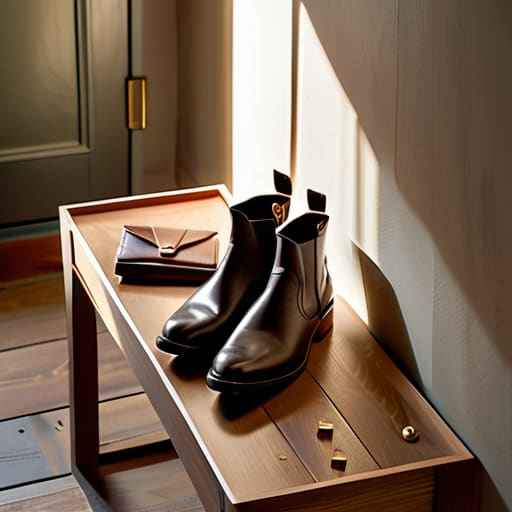
Look, we need to have a real conversation about that pile of “stuff” that lives by your front door. You know the one—the mountain of unopened mail, the random keys you can never find, and those shoes that seemingly have a life of their own. Before you go out and buy a bunch of expensive, matching wicker baskets that will just end up filled with more junk, we need to tackle the root of the problem. Effective foyer decluttering tips start with a ruthless audit. If you haven’t touched that umbrella since the Great Rain of 2022 or you’re holding onto a pair of boots that hurt your feet, get them out of your entry space immediately.
Once the excess is gone, you need a system that actually handles the daily chaos. If you’re working with a tight footprint, look into small entryway organization ideas that utilize vertical space, like wall-mounted hooks rather than bulky floor racks. I’m a huge fan of an entryway bench with storage because it serves two purposes: it gives you a place to sit while you’re wrestling your boots on, and it hides the visual noise of seasonal gear. The goal isn’t to make it look like a showroom; it’s to ensure that when you walk through that door, you aren’t immediately hit with a mental to-do list of things you need to clean up.
Small Entryway Organization Ideas for Real Life Spaces
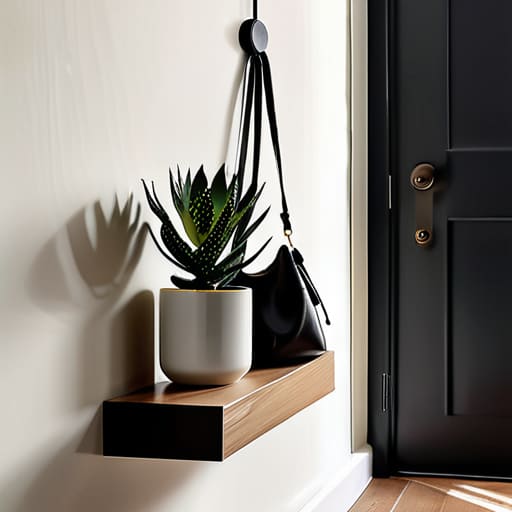
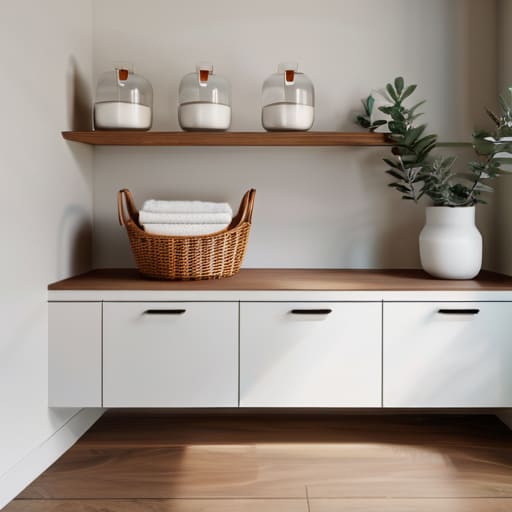
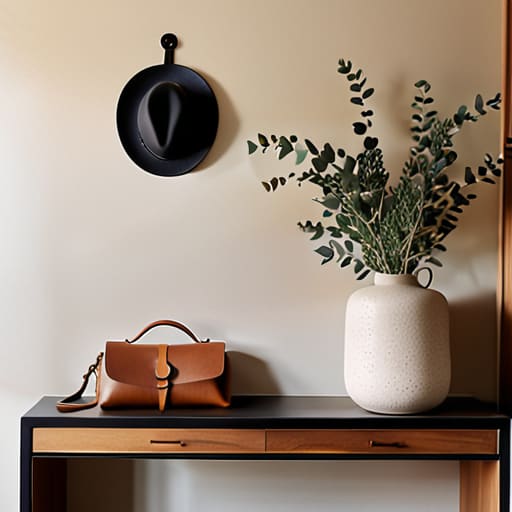
If you’re living in a place where your “entryway” is basically just a three-foot stretch of hallway between the front door and the kitchen, I get it. You don’t have room for a massive built-in unit, so you have to get creative with vertical space. I’m a huge advocate for using the walls to keep the floor clear. Instead of a bulky console table that just collects dust and random junk, try mounting a few sleek floating shelves or a slim wall-mounted organizer. This is one of those small entryway organization ideas that actually changes the energy of a room because you aren’t constantly stepping over shoes or tripping on bags.
When you’re working with limited square footage, every piece of furniture needs to pull double duty. This is where an entryway bench with storage becomes a total game-changer. I use one in my own place to tuck away seasonal gear or extra cleaning supplies, and it provides a spot to sit while you’re struggling to get your boots on. If you can’t swing a bench, even a simple set of heavy-duty wall hooks can act as a makeshift mudroom. The goal isn’t to make it look like a showroom; it’s to create a system that works for your actual daily chaos.
Systems That Actually Survive Your Morning Rush
- Stop using a “catch-all” bowl for your keys, wallet, and loose change. It’s a lie we tell ourselves to feel organized, but it’s actually just a tiny landfill. Get a dedicated tray or a wall-mounted magnetic strip. If it doesn’t have a specific home, it’s just clutter waiting to happen.
- The “One-In, One-Out” rule for shoes is your new best friend. If you bring a new pair of sneakers into the house, an old, beat-up pair needs to be donated or tossed. Your entryway isn’t a shoe warehouse, and trying to cram twenty pairs into a tiny cubby is a recipe for a daily tripping hazard.
- Invest in heavy-duty hooks, not just cute decorative ones. I’ve seen so many “aesthetic” setups where the weight of a single winter coat snaps the mounting right out of the drywall. If you’re hanging bags or heavy jackets, make sure the hardware is actually rated for the load.
- Set up a “Launchpad” station. This is a small, non-negotiable zone for the stuff you need to grab before you walk out the door—sunglasses, transit cards, or your multi-tool. If you have to hunt for your keys while you’re already five minutes late, your system has failed you.
- Think vertically if you’re short on floor space. If your entryway feels cramped, stop looking at the floor and start looking at the walls. Floating shelves or a slim vertical mail organizer can keep the surface of your console table clear so it doesn’t just become a graveyard for junk mail.
Making It Stick
At the end of the day, organizing your entryway isn’t about achieving some sterile, museum-quality look that requires a professional cleaning crew to maintain. It’s about the small, functional wins: having a dedicated hook for your heavy winter coat, a specific spot for your keys so you aren’t tearing the house apart five minutes before work, and a way to manage the shoe pile before it becomes a literal tripping hazard. Whether you’re working with a massive mudroom or a tiny corner in a studio apartment, the goal is to build a system that serves you, not a system you have to work for.
Don’t let the “perfect” setups you see on social media intimidate you into inaction. Most of those curated spaces aren’t designed for real life—they aren’t designed for muddy boots, overflowing mail, or the chaotic energy of a Tuesday morning. Start small, use the tools you already have, and focus on function over aesthetics. Once your entryway actually works for you, you’ll realize that a little bit of intentionality goes a long way in making your entire home feel more grounded. You’ve got this; just grab your multi-tool and start building a space that actually functions for your real life.
Frequently Asked Questions
I have a tiny entryway with no room for a bench or a console table; what can I actually do?
If you’re working with zero floor space, stop trying to force furniture into a room that doesn’t have it. Go vertical. I’m talking heavy-duty wall hooks for bags and a slim floating shelf just high enough to drop your keys on. If you really need a spot to sit, grab a sturdy folding stool you can tuck behind a door when you’re done. Keep it functional, not crowded.
How do I stop the "doom pile" of mail and random junk from taking over the table every single week?
The “doom pile” happens because you’re treating your entryway table like a landing strip instead of a transition zone. You need a “one-touch” system. Grab a small, discrete tray for keys and a dedicated, slim mail sorter—not a basket, because things just get lost in baskets. The rule is: as soon as you walk in, trash the junk, file the bills, and move everything else. If it doesn’t belong there, it doesn’t stay there.
Is it worth investing in expensive built-in organizers, or can I just DIY something functional with cheap bins?
Look, unless you’re living in a literal museum, save your money. Built-ins look great in staged photos, but they’re rigid and expensive to fix if your life changes. I’d much rather grab some sturdy, cheap bins and a few command hooks. You can swap them around as your gear evolves, and if you mess up, it’s not a permanent architectural mistake. Function over aesthetics, always. Just make sure the bins are durable.
How do I organize a mudroom for a family with kids without it becoming a constant battleground of lost shoes and heavy coats?
Look, if you’re trying to fight a war against rogue sneakers and crusty backpacks, you’re going to lose. Stop fighting the chaos and start building systems that kids can actually manage. Think low-level hooks instead of high ones, and get some heavy-duty, open cubbies—no lids, no complicated bins. If it takes more than two seconds to put away, they won’t do it. Build for the mess, not the “look,” and your sanity will thank you.