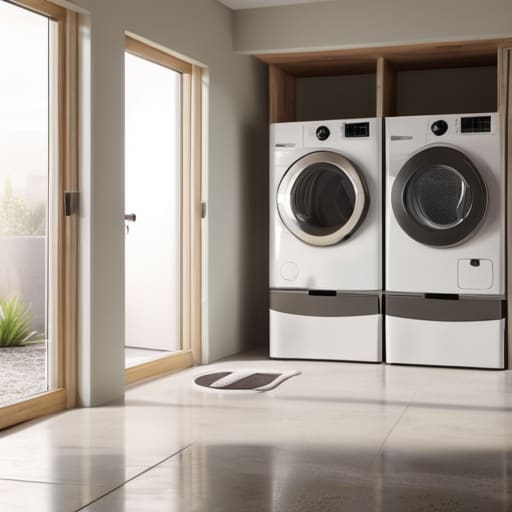
Can we please stop pretending that we need a $40 artisanal, eucalyptus-scented detergent pod to make our clothes smell “clean”? I am so tired of seeing these curated, beige-aesthetic laundry rooms on social media that look like they’ve never actually seen a stray sock or a coffee stain. Most of those expensive “laundry tips” you see trending are just clever marketing designed to make you feel like your basic setup is failing you. Real life is messy, and your cleaning routine shouldn’t require a PhD in chemistry or a massive budget just to keep your favorite hoodie from shrinking into a doll’s shirt.
I’m not here to sell you on a lifestyle brand; I’m here to give you a functional system that actually works. I’ve spent way too many hours troubleshooting everything from clogged lint traps to ruined delicates, and I’ve distilled all that trial and error into a few straightforward, no-nonsense strategies. We’re going to skip the fluff and focus on the practical laundry tips that will actually save your clothes—and your sanity—so you can get back to the things that actually matter.
Mastering the Art of How to Separate Laundry
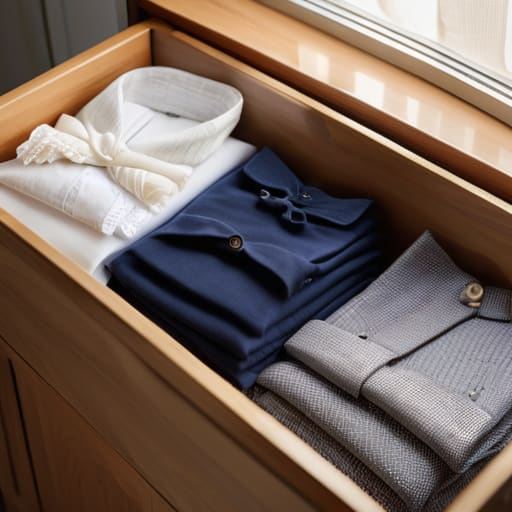
Look, I get it. You’re staring at a mountain of clothes and the last thing you want to do is play color-coded Tetris. But if you want to stop treating your wardrobe like a disposable commodity, you have to get serious about how to separate laundry before the water even touches the fabric. I’m not talking about a complex, color-coded filing system that takes twenty minutes of your life; I’m talking about the “big three” rule: lights, darks, and the “I-don’t-want-to-re-buy-this-shirt” delicates.
If you’re feeling extra lazy, just grab a few cheap, stackable bins for your hamper. Throw your whites in one, your darks in another, and keep a small mesh bag specifically for those thin, expensive knits or lacey bits. This isn’t just about avoiding a pink shirt incident; it’s a foundational part of a solid fabric care guide that saves you money in the long run. By grouping items by weight and material, you’re also drying clothes efficiently because you won’t have a heavy denim jacket taking three hours to dry just because it was tossed in with a pile of lightweight cotton tees. Keep it simple, keep it functional, and stop letting your clothes fight each other in the drum.
Washing Machine Maintenance for a System That Lasts
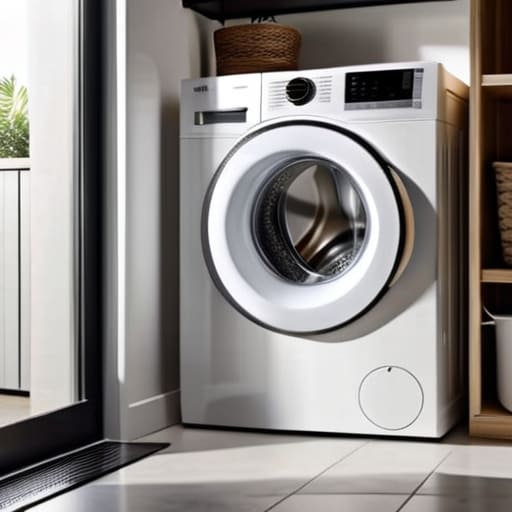
Look, we spend so much time obsessing over which detergent smells the most like a “mountain breeze” that we completely forget the machine doing all the heavy lifting. If you treat your washer like a black box that just magically cleans things, you’re asking for a moldy, smelly disaster. Real washing machine maintenance isn’t about some expensive technician coming to your house; it’s about the small, slightly annoying habits that keep the system from crashing. I’m talking about wiping down that rubber seal after a heavy load and actually leaving the door cracked so it can air out. If you leave it shut and damp, you’re basically building a petri dish for bacteria.
Once a month, I run a hot cycle with a bit of vinegar or a dedicated cleaner just to strip away the buildup. It’s the mechanical equivalent of clearing your cache—it keeps everything running smoothly without the buildup of gunk. Also, if you’re using way too much soap, stop. Most people use double what they need, which creates a film that sticks to your clothes and the drum. Keeping things simple and clean isn’t just about the machine; it’s the foundation of a solid fabric care guide that actually saves you money in the long run.
Stop Treating Your Laundry Like an Afterthought: 5 Systems to Save Your Sanity
- Stop the “one giant pile” cycle by grabbing a cheap, multi-compartment hamper. If you separate your lights, darks, and towels the second they hit the floor, you’ve already won half the battle before the machine even starts.
- Ditch the expensive, “luxury” fabric softeners that just coat your clothes in a waxy film. If you want things to actually feel soft without ruining your machine’s sensors, just use a splash of white vinegar in the rinse cycle—it’s cheaper and actually works.
- Get a dedicated “lost sock” bin or just commit to the single-sock life. I used to stress about matching everything, but honestly? If you buy the same five pairs of black socks, you’ll never have to play detective with a rogue navy blue one again.
- Stop overloading your washer just because you’re in a rush. I know it feels efficient, but if your clothes can’t actually move around in the water, they aren’t getting clean—they’re just getting agitated, and you’re going to end up with a mechanical headache later.
- Set a “dry and fold” timer on your phone. The worst part of laundry isn’t the washing; it’s the mountain of damp, wrinkled clothes sitting in the machine for three days because you forgot they existed. Treat it like a scheduled task in your calendar so it doesn’t pile up.
Cutting Through the Laundry Chaos
At the end of the day, getting your laundry under control isn’t about having a Pinterest-perfect laundry room with matching wicker baskets; it’s about building a workflow that doesn’t crash your entire weekend. We’ve covered the essentials: sorting your loads so you aren’t accidentally shrinking your favorite knit sweater, and actually taking five minutes to clean your machine’s filter so it doesn’t die on you mid-cycle. If you can master the basics of separation and keep your hardware running smoothly, you’ve already won half the battle. Stop treating laundry like an unpredictable chore and start treating it like a simple system that just needs a little bit of regular maintenance to stay efficient.
I know it sounds unglamorous, but there is a specific kind of peace that comes from knowing your clothes are cared for and your machines aren’t about to break down. My goal isn’t to turn you into a professional housekeeper, but to help you reclaim the time you usually spend fighting with your appliances. Once you stop overcomplicating the process and just focus on what actually works, you’ll realize that functional beats aesthetic every single time. Now, go grab that multi-tool, check your dryer vent, and get back to doing the things you actually enjoy.
Frequently Asked Questions
How do I actually tell if a garment is "dry clean only" without accidentally ruining it in the wash?
Look, don’t play Russian roulette with your favorite sweater. First, hunt down the care tag—it’s usually tucked into a side seam or near the neck. If it says “Dry Clean Only,” believe it. If the tag is missing, use the touch test: if it’s silk, wool, or anything structured like a blazer, play it safe and skip the machine. I’d rather spend five bucks at the cleaners than lose a hundred-dollar piece to a shrink cycle.
Is it worth it to invest in those expensive specialty detergents, or is basic soap enough to get the job done?
Honestly? Most of the time, you’re just paying for fancy scents and pretty packaging. If you’re washing everyday cottons and gym gear, a solid, mid-range basic detergent is more than enough to get the job done. Save your money. I only break out the pricey, specialty stuff for my high-end tech-wear or delicate knits that actually need the extra care. For everything else, keep it simple. Don’t let marketing gaslight your wallet.
What’s the best way to deal with stubborn stains that have already been through the dryer?
Ugh, the dreaded “dryer bake.” Once that heat hits, the stain basically becomes part of the fabric’s DNA. It’s frustrating, but don’t toss the shirt just yet. Your best bet is a heavy-duty enzyme cleaner or a concentrated stain remover. Apply it directly, let it sit for at least thirty minutes, and then try a gentle scrub with an old toothbrush. If it’s oil-based, a little dish soap can work wonders. Just avoid the dryer again until you’re 100% sure it’s gone.
How often should I really be cleaning my washing machine to keep it from smelling like a swamp?
Honestly? If you’re waiting for it to actually smell like a swamp, you’ve waited too long. To keep things running smoothly, I aim for a deep clean once a month. If you’re a heavy user or live in a humid area, maybe bump that up to every three weeks. Just run a hot cycle with some specialized cleaner or even just white vinegar. It’s a small maintenance task that saves you a massive headache later.