I am so tired of seeing those “aesthetic” bedroom tours where the bed looks like a structural masterpiece that no human could actually sleep in. If you’ve ever spent forty minutes fluffing twelve different decorative pillows only to knock them all onto the floor the second you actually want to nap, you know the struggle. We’ve been sold this lie that learning how to make your bed look luxurious requires a professional staging crew and a bank account that can handle $800 linen sets. Honestly? Most of that stuff is just performative clutter that gets in the way of your actual life.
I’m not here to help you build a museum piece; I’m here to help you build a system. I want to show you how to achieve that high-end, heavy-duvet feel using smart layering and textures that actually function for a real person. We’re going to strip away the unnecessary fluff and focus on the few, high-impact tweaks that make your space feel expensive without making it a chore to reset every morning. Let’s get your sleep setup working for you, not against you.
Investing in Premium Bedding Materials That Actually Last
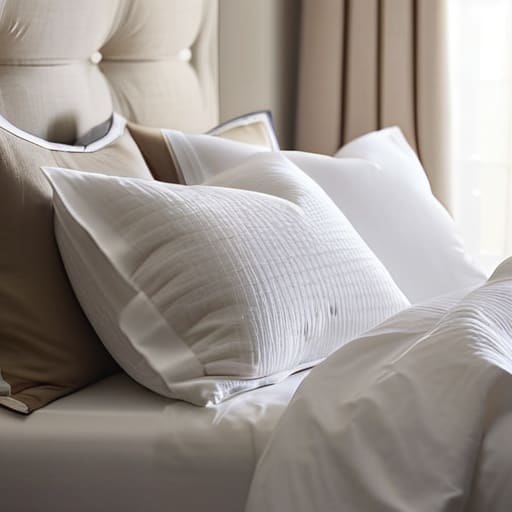
Look, I’m going to save you some money and a lot of frustration right now: stop falling for the marketing trap of chasing astronomical numbers on packaging. You’ll see brands screaming about high thread count sheets like it’s the holy grail of sleep, but honestly? It’s usually just a way to pack more fibers into a single thread to make it feel heavier and more expensive. In my experience, a high count often just means the fabric won’t breathe, which is a recipe for waking up sweaty. Instead, focus on the actual composition. If you want that crisp, hotel-style feel that doesn’t pill after three washes, look for long-staple cotton like Percale or Sateen.
When you’re hunting for premium bedding materials, think about the lifecycle of the product rather than just the initial look. I’d much rather invest in a high-quality linen set that gets softer every single time I wash it than some synthetic “luxury” blend that looks great in a showroom but falls apart by month six. It’s about building a system that works for your body and your budget. If the fabric feels scratchy or weirdly plasticky in the store, it’s not going to magically become a cloud once it’s on your mattress. Stick to natural fibers; they’re more durable, easier to maintain, and actually worth the upfront cost.
The Truth About High Thread Count Sheets and Comfort
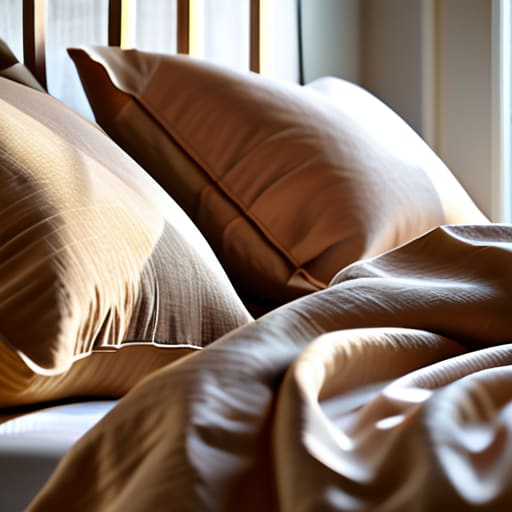
Here is the truth: the marketing departments for big-box retailers have been lying to us for decades. If you walk into a store and see “1,000 thread count” plastered all over the packaging, don’t immediately reach for your wallet. In reality, a massive thread count often just means the manufacturer used thinner, weaker threads to cram more of them into the weave, which actually makes the fabric feel scratchy and prone to pilling. I’ve spent way too many nights waking up sweaty because I fell for the hype of high thread count sheets that lacked any actual breathability.
Instead of chasing a number, focus on the actual fiber. If you want that heavy, expensive feel, look for long-staple cotton or high-quality linen. These materials are the real MVPs of a functional sleep system because they manage moisture and get softer with every single wash. I’d much rather have a 300-thread count percale that feels crisp and cool than a bloated, synthetic blend that tries to mimic a five-star hotel but fails the moment you actually lie down. It’s about prioritizing textile integrity over a marketing gimmick.
The "No-Effort" Systems for a Hotel-Grade Bed
- Stop fighting with your duvet. If you want that heavy, expensive feel without the struggle, swap your thin comforter for a high-quality down or down-alternative insert that’s actually one size larger than your bed. It fills out the corners and makes the whole setup look intentional rather than skimpy.
- Layer for function, not just for the ‘gram. Instead of buying a dozen decorative pillows you’ll just throw on the floor every night, stick to a system: two sleeping pillows, two large shams that match your duvet, and maybe one long lumbar pillow. It looks organized, but it’s easy to clear away when you actually want to sleep.
- Master the “karate chop” without the cringe. You don’t need to spend twenty minutes fluffing pillows to look like a magazine spread; just give your shams a quick shake and a firm pat in the center. It creates that structured, high-end silhouette without making it feel like a chore.
- Use a weighted throw as a functional accent. A chunky knit or heavy linen throw draped haphazardly (not perfectly folded!) across the foot of the bed adds instant texture. It breaks up the flat planes of your sheets and gives you something extra to grab when you’re scrolling on your phone at 2 AM.
- Iron the “visible” parts or just steam them. I don’t have the patience to iron an entire bed every morning, and honestly, you shouldn’t either. Just hit the top third of the duvet and the pillowcases with a handheld steamer. Getting rid of those sharp crinkles makes the whole bed look polished even if the sides are a bit lived-in.
Stop Chasing the Aesthetic: Build a System That Works
At the end of the day, making your bed look “expensive” isn’t about buying a $500 silk pillowcase or following a strict set of rules that leave you exhausted every morning. It’s about the systems we discussed: investing in quality fabrics that won’t pill after three washes, ignoring the thread count marketing trap, and layering textures in a way that actually makes sense for your sleep style. When you prioritize materials that breathe and a layout that is easy to reset, you aren’t just decorating a room; you are optimizing your recovery space.
My advice? Stop scrolling through those perfectly curated, untouchable bedroom setups and just start with what you have. If your current duvet is a bit flat, add a heavy throw. If your sheets feel scratchy, swap them for a reliable cotton percale. The goal isn’t to win a design award; it’s to create a sanctuary that feels intentional and functions perfectly when you finally crash at 11 PM. Build a bed that serves you, not the algorithm, and I promise you’ll sleep a whole lot better for it.
Frequently Asked Questions
How do I keep my expensive bedding from looking wrinkled and messy after just one night?
Look, the “perfectly smooth” bed is a lie—unless you’re living in a hotel. If you want to minimize the chaos, stop using heavy, stiff cottons that hold every crease like a grudge. Switch to linen or a bamboo blend; they’re designed to look lived-in, so wrinkles actually look intentional rather than messy. Also, skip the top sheet if you’re a restless sleeper. It’s just one more layer to tangle and crush.
Is it actually worth buying a heavy duvet, or can I just layer what I already have?
Honestly? Don’t go out and drop a paycheck on a massive duvet unless you actually hate being cold. If you’ve already got a decent comforter, just layer a heavier throw or a textured quilt over the top. It’s much easier to wash, less bulky to move around, and it gives you that “expensive” depth without the commitment. Build a system that works with what you have instead of buying more clutter.
How do I choose the right pillow setup so it looks high-end without making my neck ache?
Stop treating pillows like decorative fluff and start treating them like ergonomic tools. For that high-end look, use two large, firm “euro shams” against the headboard to create height, then layer your actual sleeping pillows in front. The trick to avoiding the dreaded neck ache? Don’t just stack them. Use a supportive, medium-firm pillow for your actual sleep, and keep the decorative ones strictly for structure. It’s a system that looks expensive but actually supports your spine.
What’s the most efficient way to reset my bed every morning so it doesn't take twenty minutes?
Look, if your morning routine feels like a chore, your system is broken. Stop trying to fluff every single decorative pillow like you’re prepping for a photoshoot. The “one-minute reset” is all about the big hitters: pull the duvet up to the headboard, give it one solid shake to distribute the weight, and smooth the top layer with your hands. Ignore the tiny wrinkles—just focus on the silhouette. Done.