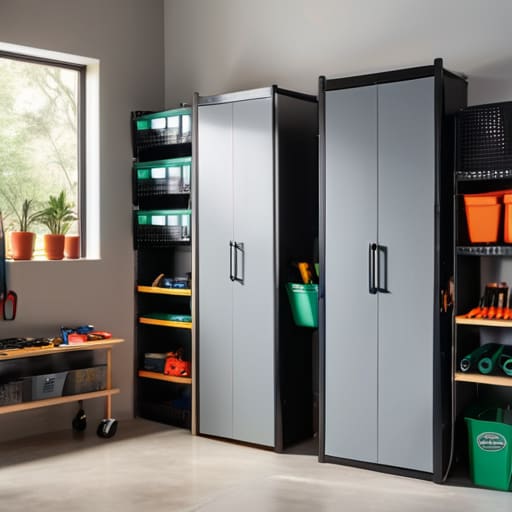
I spent my childhood watching my dad try to “optimize” our tiny workspace with these expensive, color-coded plastic bins that ended up being nothing more than overpriced clutter. Honestly, most of the advice you see online about how to organize your garage feels like it was written by people who have never actually had to hunt for a specific 10mm socket in the dark. They want you to buy a $500 modular shelving system before you’ve even decided if you’re actually going to use the space for a workshop or just as a graveyard for old holiday decorations. It’s all performative productivity, and it’s exhausting.
I’m not here to sell you a lifestyle aesthetic or a Pinterest-perfect dream that falls apart the second you bring in a bag of potting soil. Instead, I want to show you how to build a system that actually serves your real life. I’m going to walk you through the practical, low-cost ways to categorize your gear and reclaim your floor space so you can actually get things done. We’re focusing on functional systems, not just making things look pretty for a photo.
The No Nonsense Garage Decluttering Checklist
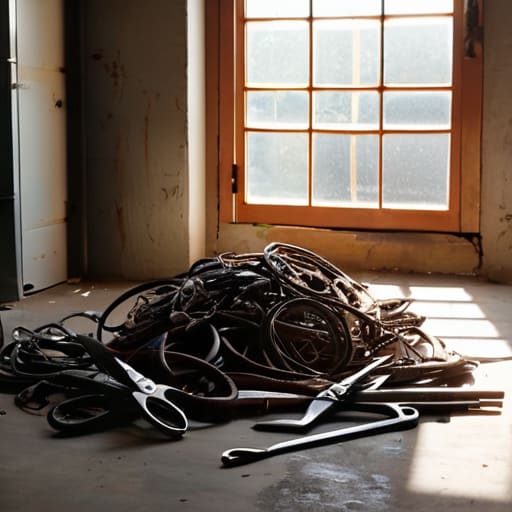
Before you even touch a single bin or label maker, you need a strategy that doesn’t involve just moving piles from one corner to another. I like to start with a brutal sort: if you haven’t touched it in two years and it isn’t a seasonal necessity, it’s gone. Create three zones: Keep, Donate, and Trash. This is your foundational garage decluttering checklist, and I promise you, it’s much harder than it sounds when you’re staring at a box of old cables and rusted garden shears. Don’t let nostalgia trap you in a cycle of hoarding junk that just eats up your workspace.
Once the “junk” is cleared out, it’s time to look at what’s left through a functional lens. I’m a huge advocate for maximizing garage floor space because the second you start leaving things on the ground, you’ve lost the battle. Instead of stacking heavy bins in a way that makes them impossible to reach, start thinking about your walls. Look for vertical garage storage ideas—like heavy-duty pegboards or slatwalls—to get your most-used items at eye level. The goal isn’t to make it look like a Pinterest board; it’s to make sure you aren’t tripping over a lawnmower just to get to your workbench.
Stop Overthinking and Start Sorting Your Gear
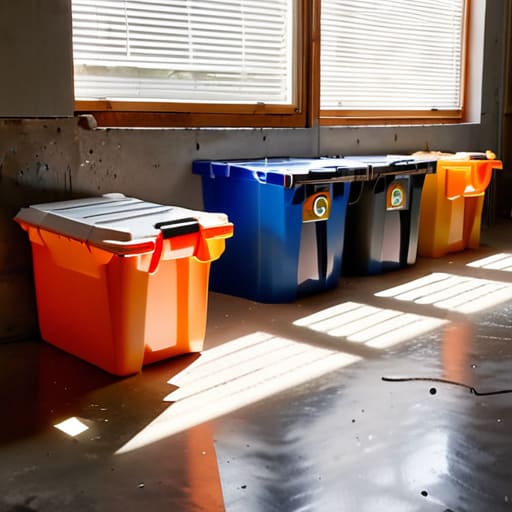
Look, I get it. You’re staring at a mountain of half-empty paint cans, tangled extension cords, and that one mysterious box of bolts you’ve been “meaning to sort” since 2021. It’s overwhelming, and the easiest way to deal with that feeling is to just walk away and pretend the garage doesn’t exist. But here’s the truth: you don’t need a master plan to start; you just need to stop treating every item like it’s a precious heirloom. Grab a few heavy-duty bins and start grouping things by how you actually use them. If you haven’t touched that rusty garden trowel in three years, it’s time to let it go.
Once you’ve actually sorted the “keep” pile from the “trash” pile, stop looking at the floor. Most people fail because they try to cram everything into cabinets, but if you’re dealing with limited square footage, you have to look up. I’m a huge advocate for vertical garage storage ideas because, honestly, floor space is too valuable to waste on things that could be hanging on a wall. Whether you’re investing in heavy-duty garage shelving systems or just some simple pegboards for your hand tools, the goal is the same: get the clutter off the ground so you actually have room to move.
Five Ways to Build a System That Doesn't Fall Apart in a Week
- Stop buying those tiny, expensive plastic bins for everything. Most of the time, a few heavy-duty, clear containers or even just labeled cardboard boxes work better. You need to be able to see what’s inside without playing a game of “guess what’s in the opaque tub” every time you need a screwdriver.
- Go vertical or go home. If your floor is covered in stuff, you’ve already lost the battle. Get some pegboards, heavy-duty hooks, or even those industrial metal shelving units. If it’s not on the floor, you actually have room to move, breathe, and—most importantly—work on your projects.
- Group your gear by “mission,” not just by what it is. Instead of a “tool drawer” and a “misc drawer,” try having a “car maintenance kit” or a “garden prep station.” When you know exactly which zone you need to head to, you stop wandering around aimlessly looking for the shears.
- Label everything, but keep it simple. I’m not talking about a label maker that takes three hours to use; just use a Sharpie and some masking tape if you have to. If you can’t tell what a bin holds from three feet away, the system is broken.
- Create a “landing zone” near the door. We all have that one pile of stuff we drop the second we walk in from the car. Instead of letting that pile migrate into the center of the garage, designate one specific shelf or bin for “in-progress” items or things that need to go back inside the house.
Stop Aiming for Pinterest and Start Using Your Space
Look, at the end of the day, organizing your garage isn’t about achieving some flawless, showroom-ready aesthetic that looks good in a filtered photo. It’s about the logistics of your actual life. We’ve covered the essentials: you need to ruthlessly declutter the junk you haven’t touched in three years, create zones that make sense for your specific hobbies, and invest in storage that actually holds the weight of your tools. If you can find your drill in under thirty seconds and you actually have room to park the car or work on a project without tripping over a pile of old paint cans, you have won. That is the only metric of success that matters here.
Don’t let the sheer scale of a messy garage paralyze you into doing nothing. You don’t have to overhaul the entire floor plan in a single weekend; just pick one corner, one shelf, or even just one toolbox and make it functional. Systems are built in layers, and every small win makes the next step easier. I promise, once you stop chasing that impossible version of perfection and start building a space that serves you, you’ll realize that a functional home is much more rewarding than a pretty one. Now, grab your multi-tool, pick a spot, and get to work.
Frequently Asked Questions
How do I figure out what’s actually worth keeping and what’s just taking up space?
Look, I get it. It’s hard to let go of that “just in case” screwdriver or the mystery cables. But here’s my rule of thumb: if you haven’t touched it in a year and it doesn’t have a specific, high-stakes purpose, it’s just clutter. Ask yourself: “If this broke today, would I actually spend money to replace it?” If the answer is no, let it go. Don’t let “maybe someday” steal your actual living space.
What kind of storage bins or shelving should I buy so I'm not wasting money on stuff that breaks?
Look, don’t get sucked into the “aesthetic” storage trap. Those cheap, translucent plastic bins from big-box stores? They’ll crack the second you load them with heavy power tools. Skip the flimsy stuff. I swear by heavy-duty, opaque polyethylene bins—they’re tougher and hide the visual clutter. For shelving, go with metal industrial racks. They’re way more stable than plastic ones and won’t bow under the weight of your gear. Buy once, buy right.
I have a tiny garage; how do I organize everything without it feeling even more cramped?
Look, a tiny garage is basically just a high-stakes game of Tetris. If you’re working with minimal square footage, you have to stop thinking about the floor and start thinking about the walls. Get everything off the ground. I’m talking heavy-duty pegboards, wall-mounted tracks, and ceiling racks for the stuff you only use once a year. If it’s not hanging or stacked vertically, it’s just taking up breathing room. Keep it vertical, keep it accessible.
How do I keep my tools organized so I’m not digging through a junk drawer every time I need a screwdriver?
Look, the “junk drawer” is where productivity goes to die. If you’re tired of hunting for that one specific Phillips head, stop trying to find a “perfect” system and just group by frequency. Keep your most-used stuff—screwdrivers, pliers, tape—in a small, open organizer right on your workbench. For the niche gear you use once a year, toss them in a labeled bin on a high shelf. If you can see it, you can use it.