I was sitting at my desk last Tuesday, surrounded by half-disassembled synth components and a mountain of empty coffee mugs, feeling that familiar, heavy weight of mental clutter. My brain felt like a browser with fifty tabs open, and none of them were loading. I realized I wasn’t actually overwhelmed by my big projects; I was drowning in the tiny, nagging micro-tasks that I kept pushing to “later.” That’s when I finally stopped scrolling through productivity influencers’ aesthetic Notion templates and actually applied the two minute rule. It’s not some magical life hack or a way to become a productivity robot; it’s just a way to stop the small stuff from suffocating your focus.
Look, I’m not here to sell you a complicated five-step system or a $20 planner that you’ll abandon by next month. I want to show you how to use the two minute rule to build a life that actually functions, without the performative perfectionism. I’m going to break down how I use this to manage my freelance workflow and my home life, giving you the no-nonsense reality of what works when your systems start to break down.
Ditch the Aesthetic and Build a Functional Daily Workflow
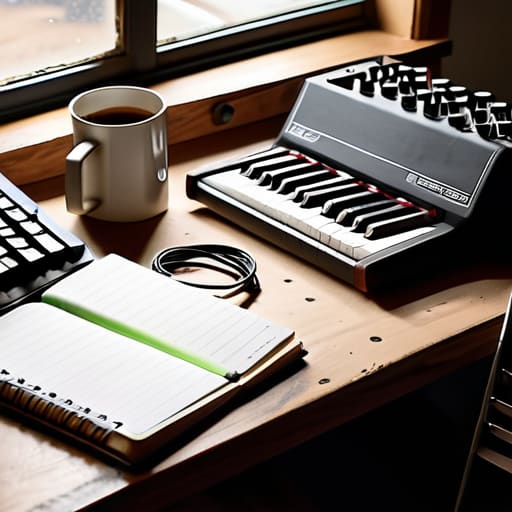
We need to talk about the “productivity porn” you see on TikTok—those perfectly color-coded planners and minimalist desks that look like they’ve never actually been used to work. Honestly? That stuff is a trap. If your system only works when your room is spotless and your coffee is artfully poured, it’s not a system; it’s a performance. Real life is messy. My desk usually has a half-disassembled synth on one side and a tangle of charging cables on the other, but it functions. When I’m improving daily workflow, I’m not looking for a pretty spreadsheet; I’m looking for ways to stop the small stuff from piling up into a mountain of dread.
Instead of chasing that impossible aesthetic, focus on reducing mental clutter by tackling the tiny friction points immediately. If you see a rogue sock on the floor or an unread notification that requires a one-sentence reply, don’t add it to a “to-do” list. Lists are just places where tasks go to die. By treating these micro-tasks as instant wins, you’re actually building micro habits that prevent that overwhelming sense of paralysis. You don’t need a complex setup from David Allen’s Getting Things Done to start; you just need to stop letting the little things steal your focus.
Why Small Wins Beat Complex Time Management Hacks Every Time
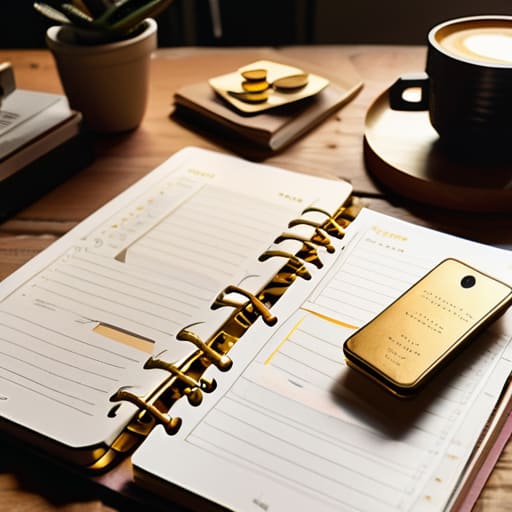
We’ve all been there: you buy a $30 planner with gold-leaf edges and a custom sticker set, thinking it’s finally the year you become a productivity god. But then Tuesday happens, you miss one entry, and the whole system collapses. I used to fall for that trap, trying to implement every complex time management hack I saw on TikTok, only to end up more stressed than when I started. The problem is that high-level systems require high-level maintenance, and when you’re already burnt out, that’s the last thing you have energy for.
Instead of trying to overhaul your entire life overnight, focus on building micro habits that actually stick. When you knock out a tiny task—like filing that one receipt or responding to a quick Slack message—you aren’t just clearing a notification; you’re lowering your cognitive load. It’s about reducing mental clutter by proving to yourself that you can actually finish things. Those tiny, immediate victories create a momentum that no complex spreadsheet ever could. It’s much easier to tackle a massive project when your brain isn’t constantly being nagged by a hundred tiny, unfinished chores hanging over your head.
How to Actually Make This Work Without Losing Your Mind
- Treat your brain like a CPU with limited RAM. If a task takes two minutes—like answering a quick Slack message or tossing your laundry in the machine—do it immediately. Don’t let it sit in your mental “background processes” eating up your focus.
- Stop making “to-do lists” for the tiny stuff. If you write down “wash one coffee mug” on a formal list, you’re just creating more administrative clutter. If it’s under two minutes, it doesn’t get a line item; it just gets done.
- Use the rule to break the “doom scroll” cycle. If you realize you’ve been staring at your phone for twenty minutes, pick one tiny, two-minute physical task—like clearing your desk or watering a plant—to reset your momentum.
- Apply it to your digital workspace too. Closing those fifty open browser tabs or clearing your desktop of random screenshots takes seconds, but doing it right now prevents that “digital overwhelm” feeling from creeping in later.
- Don’t aim for perfection, aim for completion. The goal isn’t to have a spotless house or a perfect inbox; it’s to stop the tiny, annoying tasks from piling up into a mountain of stress that makes you want to shut down entirely.
Stop Overthinking and Start Doing
Look, at the end of the day, the two-minute rule isn’t some revolutionary productivity secret—it’s just common sense applied to a chaotic life. We’ve spent way too much time trying to build these massive, complex digital ecosystems and color-coded planners, only to realize that actual progress comes from the tiny, boring stuff. By tackling those micro-tasks immediately—hanging up that jacket, replying to that quick Slack message, or clearing your desk—you’re essentially clearing the cache of your brain. You stop the mental clutter from building up into that overwhelming mountain of “I’ll do it later” that keeps you up at night.
My advice? Stop waiting for the perfect moment or the perfect system to kick in. Systems are great, but they’re useless if you’re too paralyzed by perfectionism to actually move. Don’t worry about whether your workflow looks “aesthetic” or if you’re doing it the “right” way. Just pick up the pen, close the tab, or wash the dish. When you focus on these small, functional wins, you aren’t just getting things done; you’re reclaiming your mental bandwidth. Trust me, a life that actually functions is a thousand times better than one that just looks good on a screen. Now, go do that one thing you’ve been putting off.
Frequently Asked Questions
What do I do if a "two-minute task" actually turns into a massive project halfway through?
Look, we’ve all been there. You go to clear one notification and suddenly you’re three hours deep into a firmware update or reorganizing your entire cloud storage. If you realize a “quick fix” is actually a rabbit hole, stop immediately. Close the tab. Write it down on a real list. You’ve just transitioned from a quick win to a project, and if you don’t compartmentalize it, your entire day is toast.
How do I stop myself from getting distracted by tiny tasks when I'm supposed to be doing deep work?
Look, I get it. You’re mid-code or deep in a project, and suddenly your brain decides that cleaning your desk or replying to that one Slack message is a top priority. It’s a trap. When you’re in deep work mode, use a “distraction log.” Keep a notebook or a simple digital doc open. When that tiny task pops up, write it down and tell yourself, “Not now, but later.” It gets it out of your head without breaking your flow.
Is there a way to track these quick wins without adding more clutter to my digital life?
Honestly, the last thing you need is another app pinging you every five seconds. That’s just digital clutter disguised as “productivity.” If it’s a two-minute task, the “tracking” should be the dopamine hit of actually finishing it. If you absolutely must log something, keep it low-tech: a single physical sticky note or a dead-simple text file on your desktop. If the system takes more than ten seconds to set up, it’s already failed.
Can I actually use this for bigger things, or is it strictly for small, annoying chores?
Look, I get the skepticism. If I told you to “two-minute rule” a server migration or a deep-clean of your entire kitchen, I’d be delusional. You can’t. But here’s the secret: you use the small stuff to build the momentum for the big stuff. It’s about clearing the mental clutter so when you actually sit down to tackle a massive project, your brain isn’t being hijacked by a pile of laundry or an unread email.