I used to think that if I wanted to learn how to make salad interesting, I had to go buy a $25 bottle of artisanal truffle vinaigrette or a bag of “superfood” seeds that cost more than my actual lunch. I’d stare at a bowl of limp arugula and feel like I was failing at adulthood because my meal looked like something a sad influencer would post to show off their “wellness journey.” But honestly? Most of that stuff is just expensive filler designed to make you feel like you aren’t doing enough.
I’m not here to sell you on aesthetic grain bowls that take forty minutes to prep and taste like cardboard. Instead, I’m going to show you how to build a functional system for your meals using texture, acid, and salt. We’re going to strip away the gatekeeping and focus on a few simple, low-effort hacks that actually make your food taste like something you want to eat. No fluff, no overpriced pantry staples—just straightforward logic for better eating.
Mastering Flavor Balancing in Salads Without the Chaos
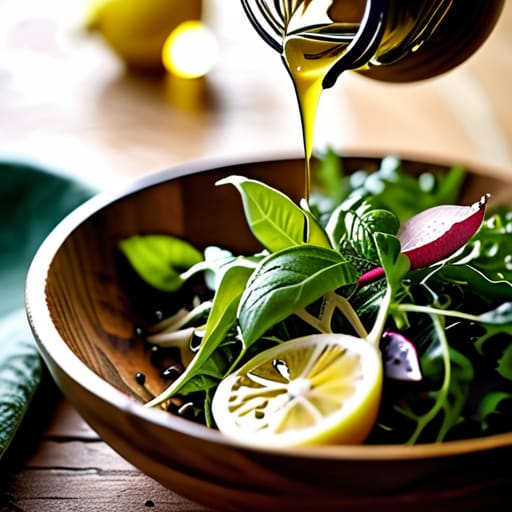
Most people treat salad dressing like an afterthought—just a heavy pour of store-bought ranch to hide the fact that the greens are sad. If you want to actually master flavor balancing in salads, you need to stop thinking about “dressing” and start thinking about acidity and fat. A good bowl needs a hit of acid (think lemon juice or apple cider vinegar) to cut through the richness of whatever else you’ve thrown in. If it tastes flat, it’s probably missing that bright, sharp note. I usually keep a few basic salad dressing recipes on a digital sticky note in my Notion—simple vinaigrettes that take thirty seconds to whisk together—so I’m never stuck eating dry leaves just because I was too lazy to prep.
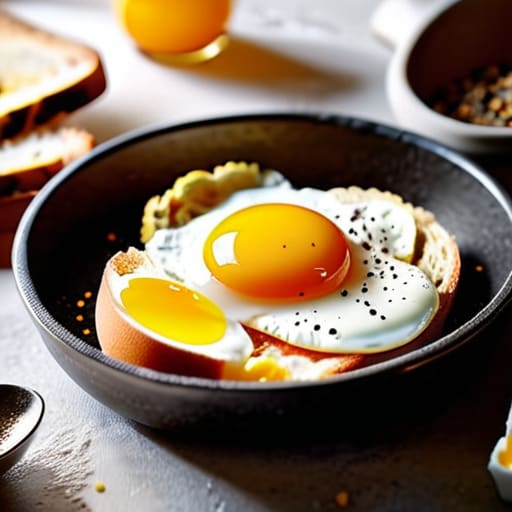
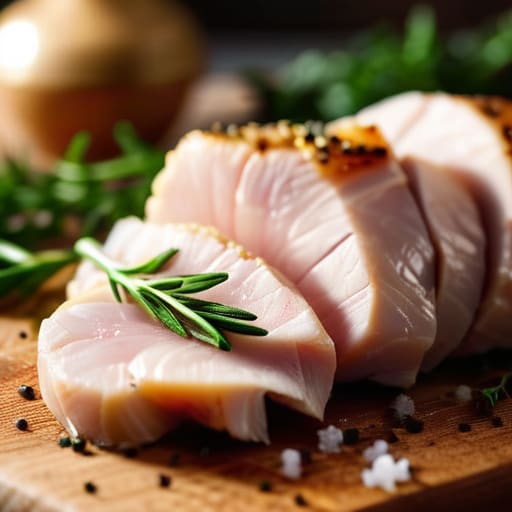
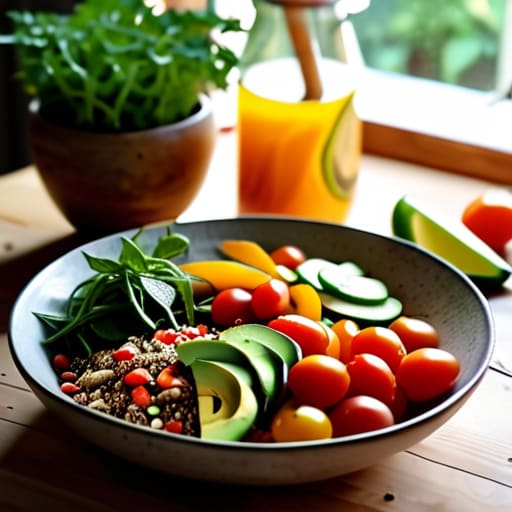
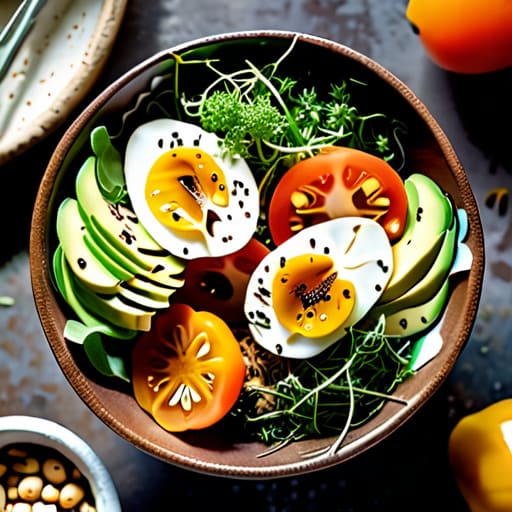
Once you’ve got the liquid component dialed in, you have to address the structural integrity of the meal. A salad that’s just soft leaves is a chore to eat. You need to focus on adding texture to salads by layering different densities. I’m talking about the crunch of toasted seeds, the creaminess of avocado, or the snap of a fresh radish. If you aren’t adding some kind of protein additions for salads—like a jammy egg or some leftover roasted chicken—you’re basically just eating a side dish. Treat your salad like a system: balance the crunch, the acid, and the fuel, and it’ll actually keep you full.
Stop Relying on Store Bought Real Salad Dressing Recipes
Look, I get it. When you’re staring at a pile of kale after a long day of troubleshooting servers, the last thing you want to do is play chemist. But those bottled dressings sitting in your fridge? They’re usually just a cocktail of stabilizers, excessive sugar, and salt that masks the actual food. If you want to actually enjoy what you’re eating, you need to ditch the plastic bottles and embrace a few basic salad dressing recipes that you can whip up in thirty seconds.
I keep a small jar of balsamic vinaigrette in my fridge at all times because it’s the ultimate “low-effort, high-reward” system. All you need is good olive oil, acid (vinegar or lemon juice), a tiny bit of Dijon mustard to act as an emulsifier, and salt. That’s it. The mustard is the secret weapon here; it keeps the oil and vinegar from separating into a greasy mess, ensuring you get consistent flavor in every single bite.
Once you have your base dressing down, you can start playing with different profiles. If you’re using bitter greens, go for something slightly sweeter like a honey-apple cider vinaigrette. If you’re working with heavier, roasted veggies, a creamy tahini-based dressing works wonders. It’s not about being a gourmet chef; it’s just about building a reliable system so your lunch doesn’t taste like an afterthought.
The Texture Cheat Sheet: How to Stop Eating Mush
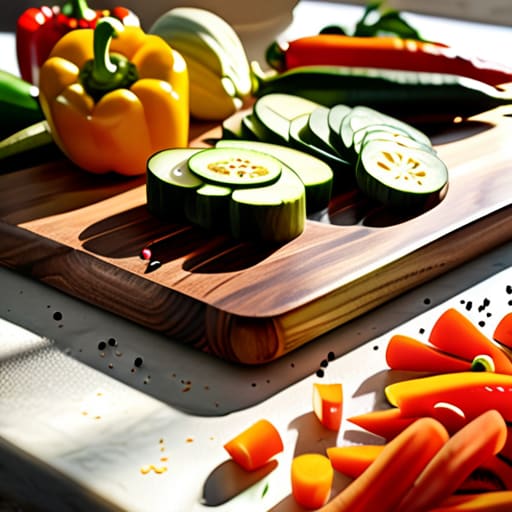
- Texture is everything. If your salad is just soft leaves and soft tomatoes, you’re basically eating flavored wet paper. You need a “crunch factor”—think toasted sunflower seeds, sliced radishes, or even those crispy chickpeas that actually keep you full.
- Don’t fear the heavy hitter. A salad doesn’t have to be just veggies; it’s a delivery system. Throw in some feta, a few slices of avocado, or some leftover roasted sweet potato to give it some actual weight so you aren’t hungry twenty minutes later.
- Temperature contrast is a pro move. I love throwing something warm into a cold base—like warm quinoa or roasted beets over chilled arugula. It makes the whole thing feel like a real meal instead of a side dish you’re forcing yourself to eat.
- Acid is your best friend. If your salad tastes “flat,” it’s probably not missing salt; it’s missing acid. A squeeze of lemon or a splash of apple cider vinegar wakes up the flavors and cuts through any heavy dressings.
- Use the “Micro-Dose” method for toppings. Instead of dumping a whole bag of dried cranberries in there, use them sparingly. You want little bursts of sweetness to hit every once in a while, not a sugar bomb that masks everything else.
Stop Settling for Sad Bowls
At the end of the day, making a salad that doesn’t taste like a chore is just about applying a little bit of logic to your plate. You don’t need a hundred expensive ingredients; you just need to respect the systems of flavor. Once you understand how to balance acid with fat, or how to introduce a necessary crunch to a soft base, you stop being a slave to a recipe and start building meals that actually satisfy. Whether you’re ditching the bottled dressing for a quick vinaigrette or finally adding some texture to your greens, the goal is to move away from mindless eating and toward intentional, functional fuel.
I know the “aesthetic” food influencers make this look like a high-maintenance hobby, but I promise it isn’t. Your kitchen shouldn’t be a stage for a photoshoot; it should be a workspace that serves you. Don’t get hung up on perfection or buying the most expensive microgreens on the shelf. Just grab what you have, play with the ratios, and trust your own palate. Life is way too short to spend your lunch break chewing on boring, uninspired leaves. Get in there, mess around with some seasoning, and build a salad that actually makes you feel like a human being again.
Frequently Asked Questions
How do I keep my greens from turning into a soggy mess if I'm prepping my lunch for later?
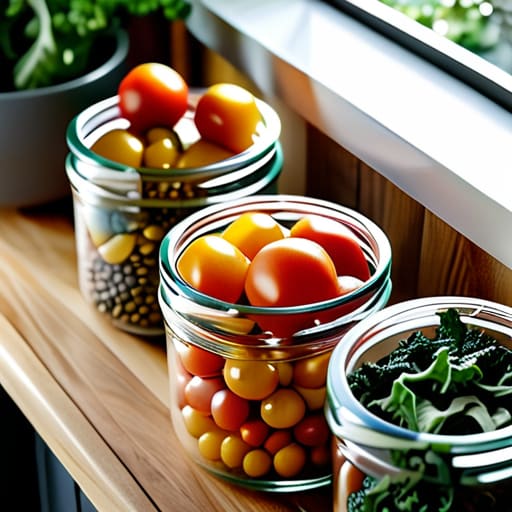
The “soggy salad” struggle is real, and it’s usually a failure of your storage system. Stop throwing everything into one bowl. Use the layering method: heavy, hardy stuff like chickpeas or cucumbers at the bottom, then your proteins, and keep the greens at the very top. Better yet, keep your dressing in a separate tiny container. If you dress it early, you aren’t eating a salad; you’re eating wet compost. Keep it modular.
I'm on a budget—what are some cheap, pantry-stable ingredients that actually add a lot of flavor?
Look, you don’t need fancy organic microgreens to make a salad hit. I live on pantry staples. Grab a jar of pickled jalapeños or red onions—that acid punch is a game changer. Dried herbs like oregano or even some toasted sesame seeds add texture and depth for pennies. Honestly? A tin of chickpeas or some sunflower seeds provides that necessary crunch without breaking the bank. Keep it simple, keep it cheap.
Is there a way to make a salad feel like a real, filling meal instead of just a side dish?
Look, the reason your salads feel like a sad afterthought is because you’re treating them like a garnish rather than a system. You need structural integrity. Stop just tossing greens and start building layers: you need a solid protein (think chickpeas, hard-boiled eggs, or leftover chicken), a complex carb for sustained energy (quinoa or farro is your best friend here), and healthy fats to actually keep you full. If it doesn’t have weight, it’s not a meal.
How do I know if I've actually achieved that "flavor balance" thing, or if I've just made a bowl of salt?
Think of it like debugging code: if one element is throwing errors, the whole system crashes. If your salad tastes like a salt lick, you’re missing acid (lemon or vinegar) to cut through it. If it feels heavy or greasy, you need brightness. The “golden rule” test? Take a bite and see if your tongue is searching for something else. If you’re still craving a sip of water or a piece of bread, your balance is off.