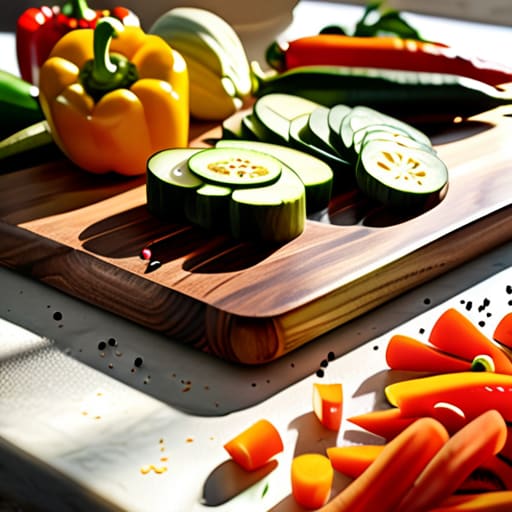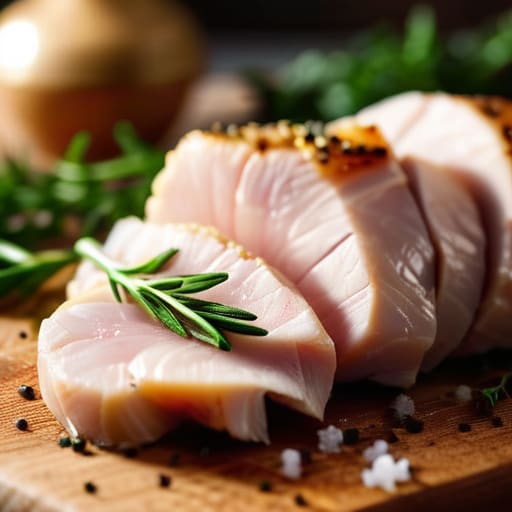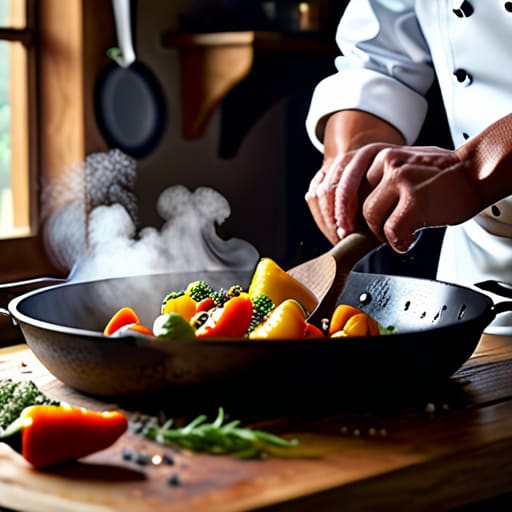
I used to think that if I didn’t have a printed list of exact measurements and a timer set to the second, I was basically just playing Russian roulette with my dinner. I’d stand in my kitchen, staring at a head of broccoli and some leftover chicken, feeling completely paralyzed because no cookbook was telling me exactly how many grams of salt to toss in. It’s honestly exhausting how much we’ve been conditioned to think that cooking is this high-stakes, precise science that requires a manual for every single meal. But here’s the truth: learning how to cook without a recipe isn’t about being a culinary genius; it’s about finally trusting your own senses instead of a piece of paper.
I’m not here to give you some flowery, aesthetic guide filled with expensive ingredients you’ll never use. Instead, I want to show you how to build a functional kitchen system based on logic and flavor profiles. We’re going to strip away the gatekeeping and focus on the actual mechanics of heat, acid, and seasoning. My goal is to give you the mental framework to look at whatever is left in your fridge and turn it into a solid, edible meal without the stress.
Mastering the Logic of Understanding Cooking Ratios
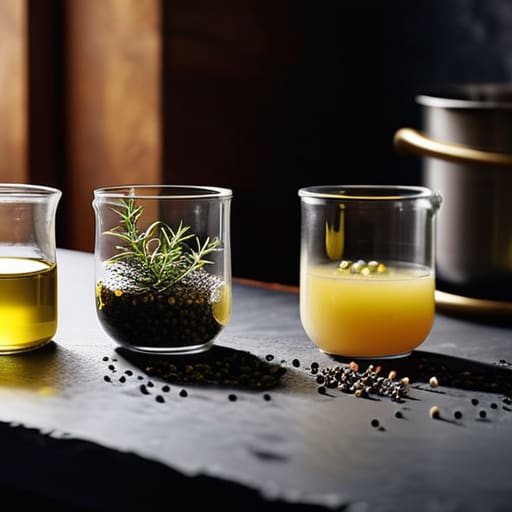
Think of cooking like debugging a script or configuring a server. You don’t need to memorize every single line of code if you actually understand the underlying logic of the system. In the kitchen, that logic is found in understanding cooking ratios. Most recipes are just specific iterations of basic mathematical relationships. For example, once you realize that a standard vinaigrette is always three parts oil to one part acid, you stop looking for a bottle of pre-made dressing and start making your own based on what’s actually in your fridge. It’s about learning the structural framework of a dish rather than memorizing a list of ingredients.
Once you grasp these foundational ratios, you can start applying basic flavor profiling techniques to tweak things on the fly. If a sauce feels too heavy, you don’t need a new recipe; you just need a hit of acid to balance the fat. If it’s too flat, you need salt or heat. This isn’t about being a gourmet chef; it’s about building kitchen confidence through trial and error. You’re essentially learning to troubleshoot your food in real-time, moving away from rigid instructions and toward a system that actually works for you.
Building Kitchen Confidence Building Through Trial and Error
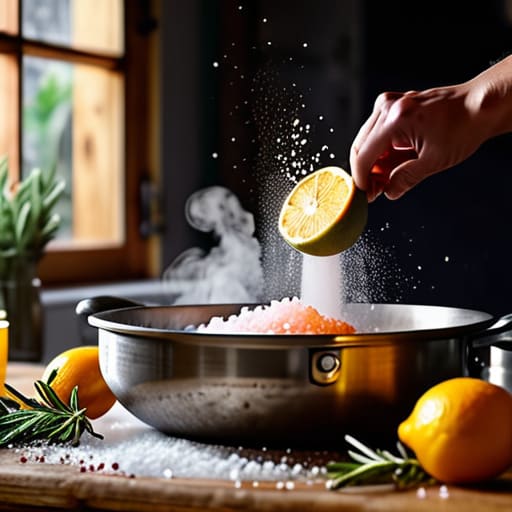
Here is the truth: you are going to burn something. You’re going to over-salt a sauce or realize halfway through that you’ve completely misjudged how much acid a dish needs. And honestly? That’s exactly where the real learning happens. If you only ever follow a script, you’re just a biological printer. To actually develop kitchen confidence building skills, you have to embrace the mess. I treat my kitchen like a sandbox environment; I’m not trying to deploy a flawless production build on the first try, I’m just testing the code.
When you mess up, don’t just toss the whole thing in the trash. That’s a waste of resources. Instead, use it as a diagnostic tool. If a soup tastes flat, don’t just dump in more salt—try a splash of vinegar or lemon juice. This is where seasoning to taste turns from a vague suggestion into a legitimate troubleshooting skill. You start to realize that cooking isn’t about following a rigid set of commands, but about reacting to the data your senses are giving you in real-time. Once you stop fearing the mistake, you stop being a slave to the cookbook.
Five ways to stop reading and start tasting
- Get to know your flavor profiles like you know your favorite OS. If a dish feels “flat,” it usually needs acid (lemon juice or vinegar) to wake it up, or salt to bridge the gap between the ingredients. Think of it as debugging your flavor code.
- Stop treating spices like a strict sequence and start treating them like a toolkit. Most dried spices can go in early to bloom in oil, but fresh herbs are your “hotfixes”—add them at the very end so they don’t lose their punch.
- Learn the “base” architecture of a meal. Most decent dishes start with an aromatic foundation—think garlic, onions, or ginger. Once you nail that initial sauté, you’ve already built the framework for almost any cuisine.
- Use your senses as your primary diagnostic tools. Don’t wait for a timer to tell you something is done; look for the color change, smell the aroma, and listen for the sizzle to shift from a violent pop to a gentle bubble.
- Keep a “cheat sheet” of textures rather than measurements. Instead of memorizing “two cups of rice,” learn that you want a specific ratio of liquid to grain to achieve the texture you’re after. Once you understand the physics of it, the exact numbers don’t matter.
Stop Overthinking and Just Start Cooking
At the end of the day, moving away from recipes isn’t about being a gourmet chef; it’s about building a more efficient system for your life. You’ve learned that once you grasp the basic ratios and stop being terrified of a little trial and error, the kitchen becomes a lot less intimidating. It’s about shifting your focus from following a rigid script to understanding the actual logic of how flavors and textures interact. When you stop treating every meal like a high-stakes exam and start treating it like a simple troubleshooting task, you realize that most “mistakes” are actually just opportunities to pivot and try something new.
My advice? Go into your kitchen tonight and just trust your gut. You don’t need a perfectly curated, Pinterest-worthy pantry or a stack of expensive cookbooks to make something that tastes incredible. You just need to be willing to get your hands a little messy and listen to what the ingredients are telling you. Life is way too short to spend every evening staring at a screen trying to decipher someone else’s instructions. Build your own intuition, break the cycle of perfectionism, and start making food that actually works for you.
Frequently Asked Questions
What do I do if I accidentally go too heavy on a spice or seasoning and the whole dish tastes off?
Don’t panic—I’ve definitely nuked a batch of pasta sauce with too much chili flakes before. First, try to dilute it. If it’s a liquid, add more base (more broth, more coconut milk, more water). If it’s too salty, a splash of acid like lemon juice or vinegar can sometimes trick your palate, or even better, toss in a peeled potato to soak up some excess salt. If it’s just too spicy, lean on fat—dairy or avocado works wonders to coat your tongue and dull the burn.
How do I know when a piece of meat or a vegetable is actually done if I'm not following a timer?
Forget the timer; it’s a lie anyway because every stove and every cut of meat is different. For veggies, use the fork test—if it resists but doesn’t feel woody, you’re golden. For meat, trust your hands. Press a steak; if it feels like the fleshy part of your palm under your thumb, it’s hitting that medium-rare sweet spot. If you want zero guesswork, just grab a digital thermometer. It’s the ultimate tool for a functional kitchen.
Are there certain types of ingredients that are basically "safe bets" for beginners trying to wing it?
Look, if you’re winging it, stick to the “forgiving” stuff. Think aromatics like garlic and onion—they’re basically the OS of flavor; they work in almost everything. For proteins, chicken thighs are way more chill than breasts because they don’t turn into dry sawdust if you overcook them by a minute. And honestly? Root veggies like potatoes or carrots are super hard to mess up. They’re reliable, low-maintenance, and they just work.
How do I figure out which flavors actually pair well together without constantly checking a chart?
Think of it like debugging code: you’re looking for balance, not just a random string of inputs. Instead of memorizing charts, learn the “logic” of flavor profiles. You want to balance heavy with bright (acid), or salty with sweet. If a dish feels “flat,” it usually needs acid—like a squeeze of lime—to wake it up. Once you understand how salt, fat, acid, and heat interact, you stop following a map and start trusting your own internal compass.