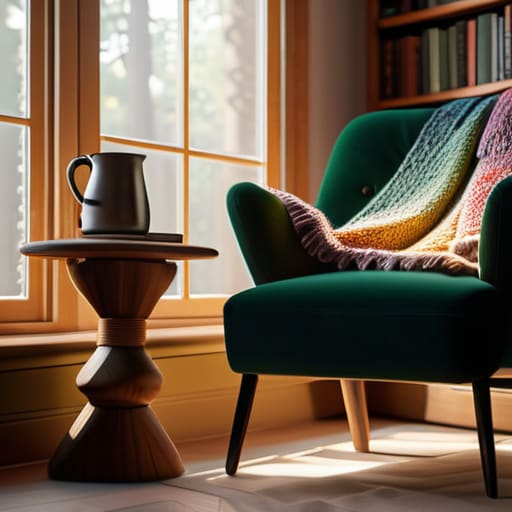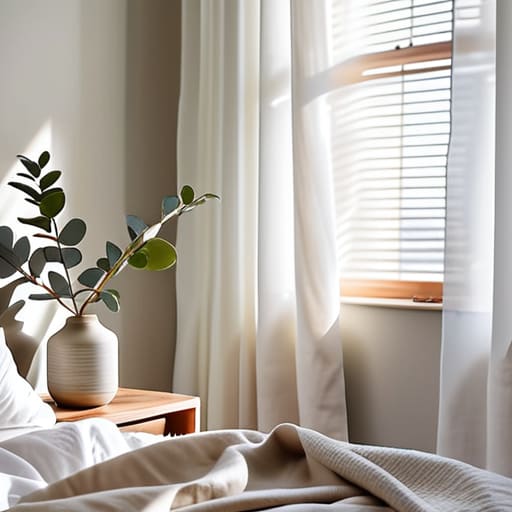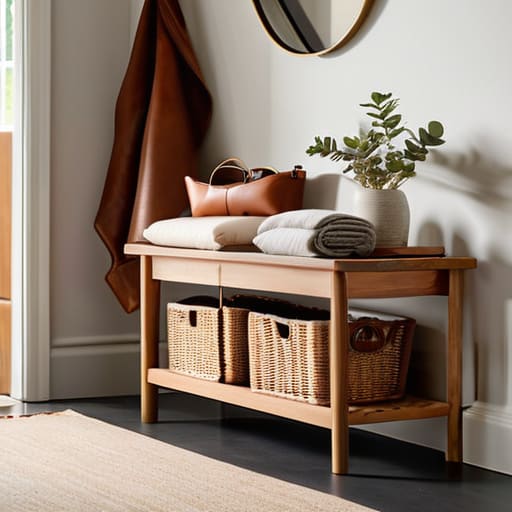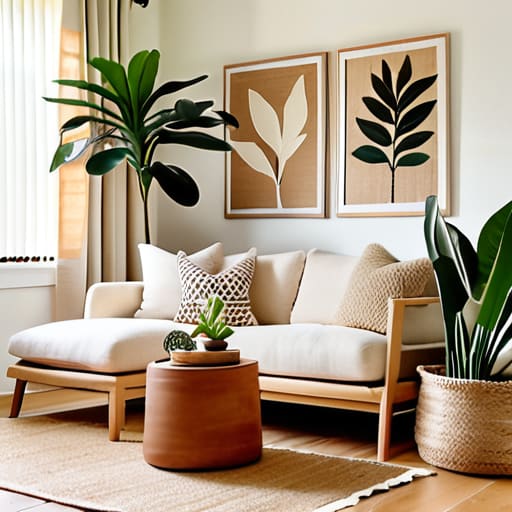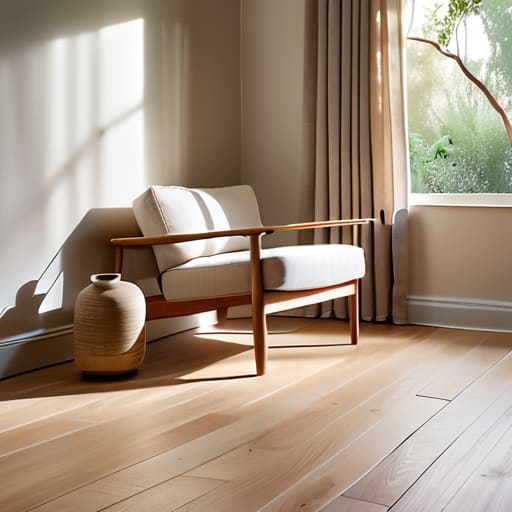
Stop scrolling through those Pinterest boards filled with velvet chaise lounges and perfectly coordinated linen sets; most of those “aesthetic” guest room ideas are actually just expensive clutter waiting to happen. I remember the first time I hosted my cousin in my tiny apartment; I had spent a week trying to curate this perfect, museum-like space, only to realize by midnight that he was actually struggling because there wasn’t a single place to plug in his phone or a flat surface to set down a glass of water. We get so caught up in the visual fluff that we forget a guest room’s actual job is to provide functional comfort, not a backdrop for a lifestyle photoshoot.
I’m not here to tell you which expensive throw pillows will make your space look “Pinterest-perfect.” Instead, I want to give you a blueprint for building a space that actually functions for real humans. We’re going to focus on the high-impact, low-stress essentials—like lighting, power access, and storage—that turn a spare room into a sanctuary. My goal is to help you implement no-nonsense guest room ideas that prioritize how your visitors actually live, so you can stop stressing about the decor and start enjoying the company.
The Minimalist Guest Room Design You Actually Need
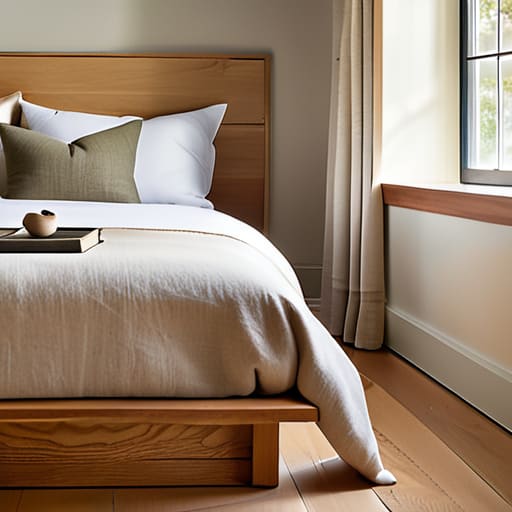
Look, we need to stop treating guest rooms like museum exhibits where nothing is allowed to touch the floor. If you’re staring at a tiny corner and trying to figure out small spare room decor that doesn’t make the space feel like a cluttered storage unit, my advice is to strip it back. You don’t need a four-poster bed or a curated gallery wall to make someone feel welcome. In fact, the more “stuff” you cram in there to make it look lived-in, the more claustrophobic it actually feels. I’m a big believer in a minimalist guest room design that prioritizes breathing room over decor.
Instead of hunting for the perfect throw pillows, focus on the high-impact stuff that actually affects how someone sleeps. I always tell people to prioritize a clear surface—like a small nightstand or even just a sturdy floating shelf—and a dedicated power strip. If they have to hunt for an outlet behind a heavy dresser just to charge their phone, you’ve already failed the vibe check. When you’re building your guest room essentials checklist, think about utility first. A clean bed, a bright lamp, and a place to put a coffee mug are infinitely more valuable than a designer rug that just collects dust and makes the room feel smaller.
Small Spare Room Decor That Doesnt Create Clutter
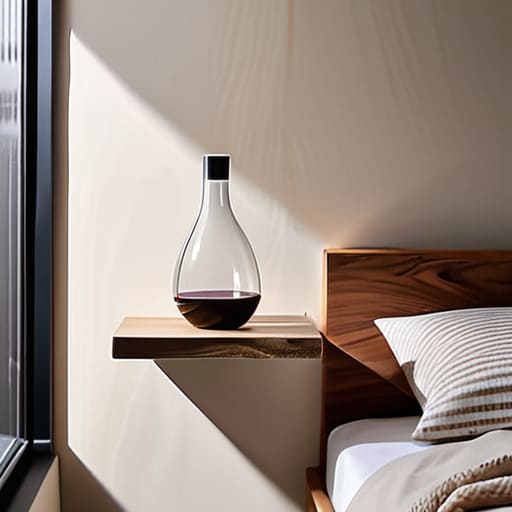
If you’re working with a tiny footprint, the biggest mistake is trying to cram in a massive dresser or a heavy oak desk just because “it looks nice.” That’s how you end up with a room that feels more like a storage unit than a place to sleep. When it comes to small spare room decor, I’m a huge advocate for verticality. Instead of a bulky nightstand, I’ll just mount a small floating shelf next to the bed. It gives them a spot for their phone and a glass of water without eating up precious floor space.
The goal isn’t to fill every corner; it’s about being intentional with what you do put there. Think of your hosting guests bedroom setup as a curated kit rather than a collection of furniture. I always suggest focusing on multi-purpose items—maybe a sturdy trunk at the foot of the bed that doubles as extra linen storage. This keeps the visual noise down while ensuring your guests aren’t living out of a suitcase. If it doesn’t serve a functional purpose or provide genuine comfort, it’s just extra weight that makes the room feel smaller than it actually is.
The "Don't Make Them Feel Like a Burden" Checklist
- Prioritize power over pillows. Don’t obsess over whether the throw blanket matches your rug; just make sure there is an accessible outlet or a power strip near the nightstand so your guests aren’t hunting behind heavy furniture to charge their phones at 2 AM.
- Clear a “landing zone.” Whether it’s a small desk or just a dedicated shelf, people need a flat surface to put their keys, glasses, and tech. If the only place to put their stuff is the floor, you’ve already failed the functionality test.
- The “One-Hook” Rule. Even if you don’t have a full closet, install a couple of sturdy hooks on the back of the door. It gives them a place to hang a jacket or a towel without having to unfold it and clutter up the bed.
- Create a low-effort snack station. You don’t need a charcuterie board, but having a carafe of water and a few non-perishable snacks tucked away means they won’t have to awkwardly wander into your kitchen in the middle of the night because they’re starving.
- Audit your Wi-Fi accessibility. Write the network name and password on a small card and leave it on the nightstand. Making someone ask for the Wi-Fi password is a micro-stressor nobody needs when they’re trying to relax in a strange house.
Stop Stressing, Start Setting Up
At the end of the day, building a guest room isn’t about curating a showroom or finding the perfect shade of “aesthetic” sage green. It’s about the basics: a bed that isn’t uncomfortable, a spot to charge a phone without a scavenger hunt, and enough surface area so your guests don’t feel like they’re living out of a suitcase. We’ve covered how to keep things minimalist and how to manage small spaces without letting the clutter win, but the real goal is functional hospitality. If you prioritize utility over ornament, you’ve already won the battle against a room that looks good in photos but feels useless in real life.
Don’t let the pressure of “hosting” keep you from actually inviting people over. You don’t need a dedicated suite or a professional interior designer to make someone feel welcome; you just need a space that works. My philosophy has always been that your environment should serve you, not the other way around. So, strip away the extra fluff, focus on the essentials, and build a room that lets your friends and family actually recharge. Once you stop trying to impress and start trying to accommodate, you’ll realize that the best guest rooms are the ones that feel like home.
Frequently Asked Questions
How do I make a tiny guest room feel less like a storage closet and more like a real bedroom?
First, stop using the floor as a dumping ground for your “maybe one day” bins. If it’s not for the guest, it doesn’t belong in that room. To reclaim the space, go vertical. Install some floating shelves or a slim wall-mounted organizer to get the clutter off the ground. Once the floor is clear and you’ve added a single decent lamp, it stops feeling like a closet and starts feeling like a room.
What are the absolute bare-minimum essentials I should provide so my guests don't feel like they're camping?
Look, you don’t need a five-star hotel setup. If you want to avoid the “camping” vibe without overcomplicating your life, stick to the functional basics: a clean bed with decent pillows, a clear spot to set a phone down, and—this is the big one—easy access to a power outlet. Toss a couple of fresh towels and the Wi-Fi password on the nightstand. If they can charge their tech and wash their face, they’re golden.
Is it worth investing in a real bed, or should I just stick to a high-quality air mattress to save space?
Look, if you’re hosting once a year, an air mattress is fine—just get a thick one so they don’t wake up with a literal backache. But if this room is going to be a permanent part of your home, invest in a real bed. A real frame and mattress turn a “storage room” into a functional space. It’s about building a system that actually works for your lifestyle, not just a quick fix.
How can I keep the room functional for my own use when I'm not hosting anyone?
Don’t let that room become a graveyard for things you’re too lazy to put away. If it’s not a guest room 90% of the time, it needs to serve you. Turn it into a dedicated hobby station or a deep-work zone. Set up a sturdy desk or a tech workbench—something that actually gets used. If it’s just sitting there gathering dust, it’s not a functional room; it’s just wasted square footage.